Overseas ⟶ SingaporeFor Burmese, by Burmese. An Employment Agency
Employee TrainingCaretaker Training

Caretaker Training

Five caretaker tracks for the people in a Singapore household who need the most attention, newborn babies, children (childcare), regular working adults, adults with a disability, and the elderly. Pre-departure training built for the modern dual-income family.

A 2026 Singapore household is dual-income by default. Both parents work, often six days a week, often past dinner. The gap between the school bell and the office door is wide, and somebody has to be the steady adult who closes it. This is the longest module in our pre-departure programme: five full weeks of supervised, hands-on care across newborn, child, working-adult, disability, and elderly tracks. Every trainee leaves with basic first-aid and infant CPR awareness, working knowledge of Singapore school routines, and the daily rhythms a young child, a working professional, an adult with a disability, or an aging parent depends on.

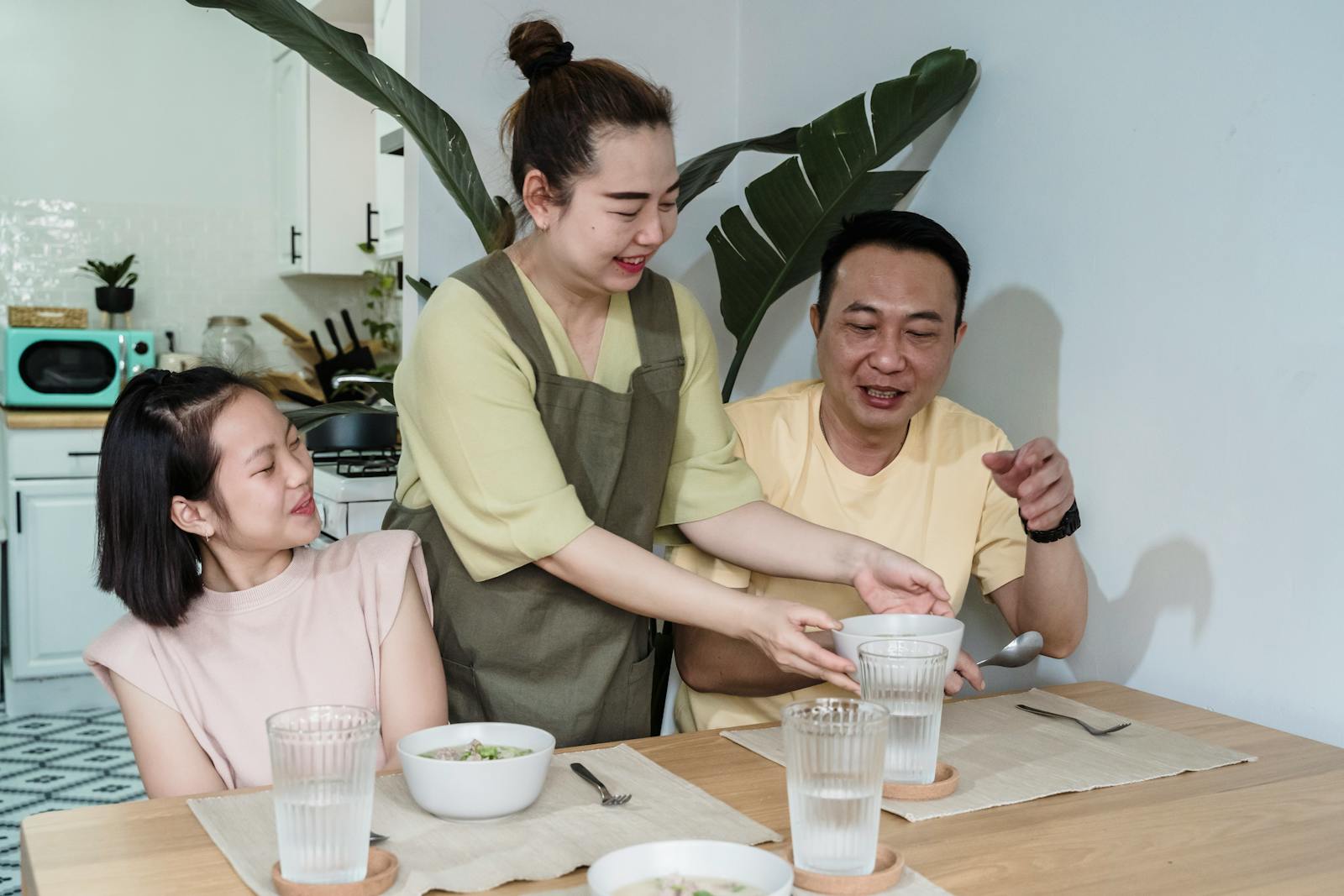
A live-in caretaker serving a family meal in a Singapore household
Caretaker training · Singapore
Why This Matters

Childcare is the foundation a working family stands on

In Singapore, monthly fees at a licensed infant childcare centre routinely run past S$2,000 even after government subsidies. Add a second child, an aging parent, or a job that doesn't end at 6pm, and full-time external childcare stops being viable, financially and logistically.

A trained, live-in caretaker changes the maths. She wakes with the family, walks the youngest to school, picks them up at the bell, manages the after-school slot until parents are home, and stays past dinner. Childcare cost stops being a daily decision and becomes a single, predictable household line.

But this only works if she is genuinely good at the work. Childcare is a craft. Babysitting is a craft. Supporting a working professional is a craft. Caring for an adult with a disability, or an elderly parent, is a craft. We teach each one as one.

The Five Tracks

Newborn · Childcare · Working Adults · Disability · Elderly

Each track runs for a full week, hands-on, with role-play scenarios, first-aid drills, and supervised practice. By the end of the programme every trainee has rotated through all five tracks at least once, and her two chosen specialisms at least twice.

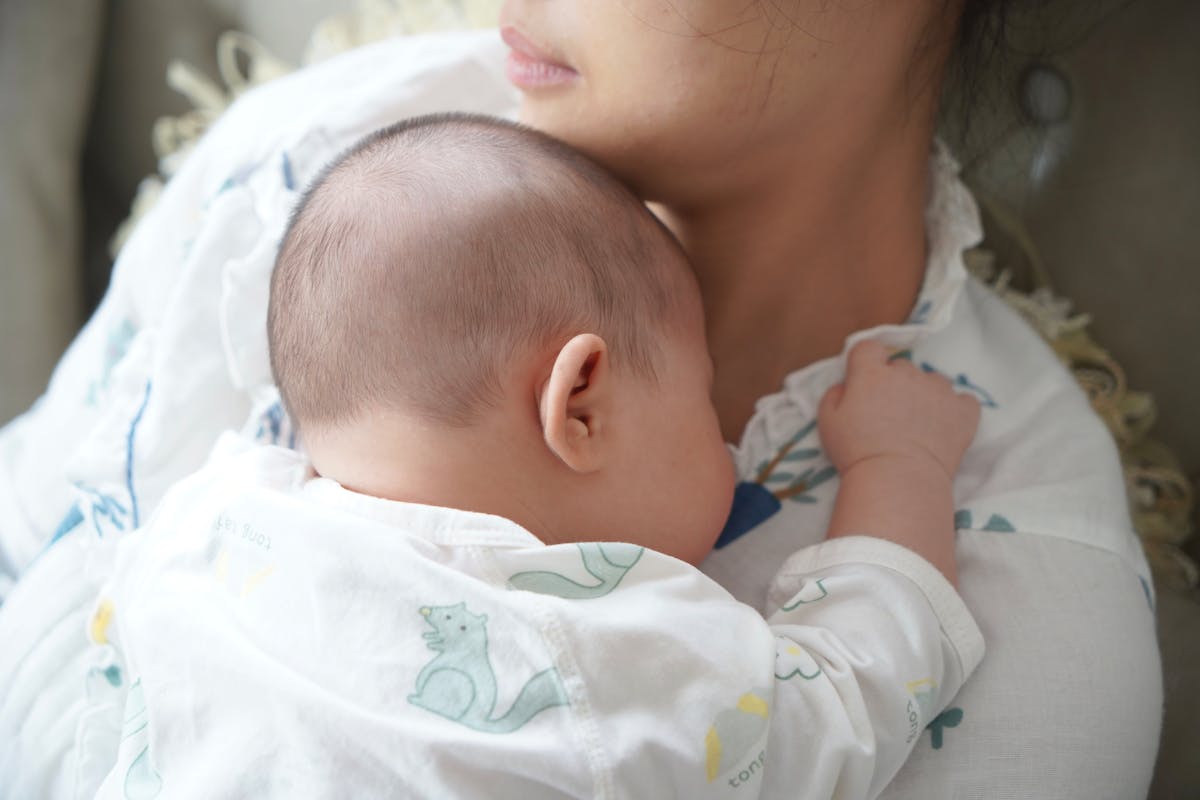
A caregiver gently holding a sleeping newborn baby
Track 1 · Newborn Care
01Newborn Care

For Newborn Babies

Feeding routines (breast, bottle, and mixed), safe-sleep practices, bathing the newborn, nappy and hygiene care, and recognising distress signals that a tired parent might miss in the night.

We pair every newborn-track trainee with a real-weight baby simulator and supervised infant-care sessions, so she has held, soothed, and changed a baby dozens of times before she boards the plane.

  • Infant CPR awareness and basic first aid for the under-ones
  • Sterilising bottles and preparing formula at the correct temperature
  • Sleep cycles, swaddling, and night-feed routines
  • Tracking weight, feeds, and bowel movements for new mothers
  • Recognising when to call the parents, and when to call the doctor
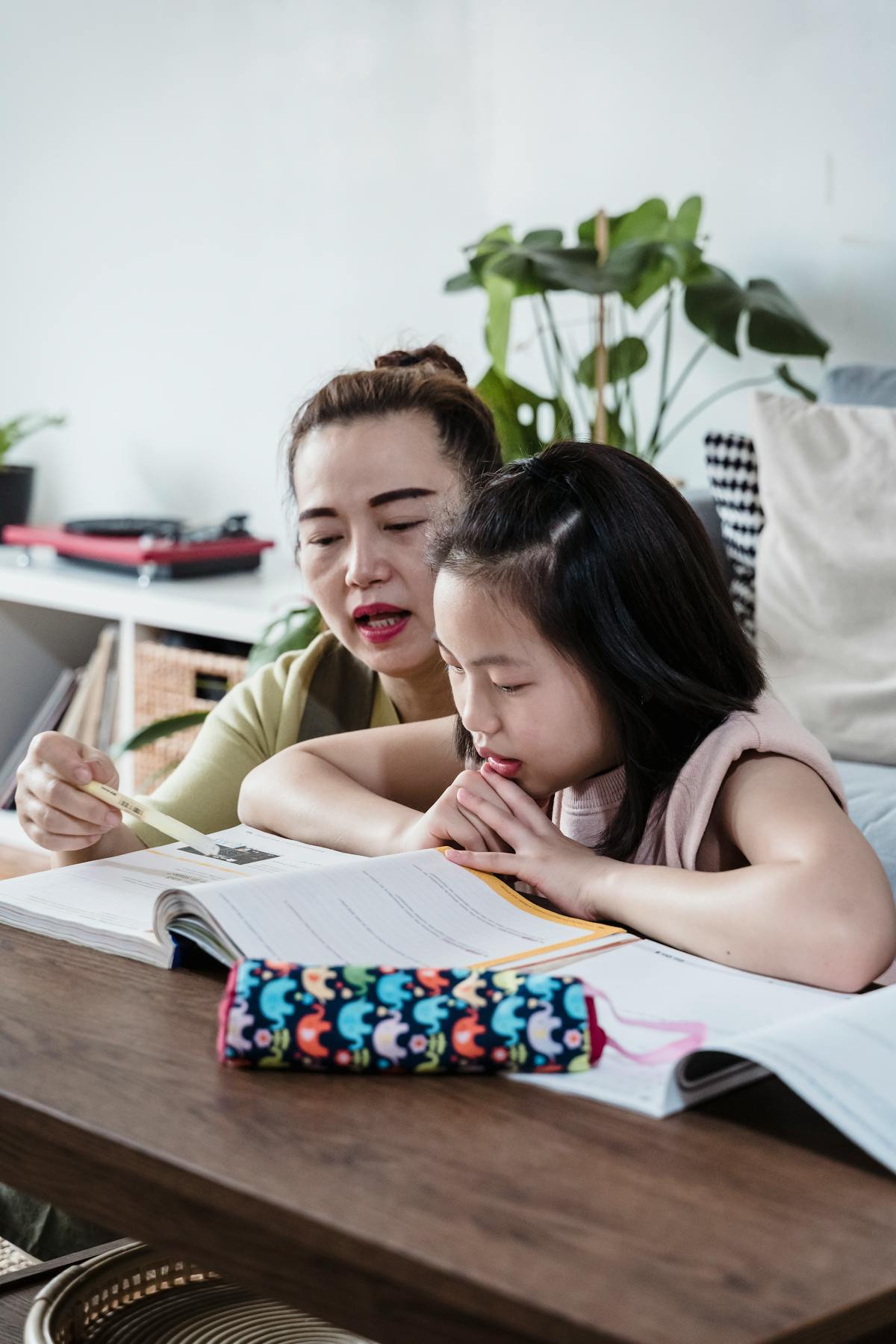
A caretaker helping a young child with homework at a Singapore kitchen table
Track 2 · Childcare & Babysitting
02Childcare & Babysitting

For Children, Childcare & After-School Care

This is the largest part of the curriculum, because this is where helpers spend most of their working hours. A child between two and twelve needs supervision, structure, food, learning support, and an adult who shows up the same way every day. That adult is often the helper.

We teach the Singapore school day: pre-school drop-offs, MOE primary-school timings, enrichment classes, and after-school care. Trainees learn how to pack a balanced lunchbox, manage homework time without becoming the homework, and run an evening routine that ends with the child asleep by nine.

Behaviour management is taught explicitly, not as discipline, but as the language a child and a caretaker use to live with each other for years. The goal is a child who trusts her helper and parents who know the day is in safe hands.

  • Singapore school schedules: pre-school, kindergarten, primary, and after-school care
  • Healthy lunchboxes and afternoon snacks (no-junk-food rule)
  • Homework supervision without doing the homework
  • Reading aloud, basic English practice, and play-based learning
  • Park, pool, and playdate safety in Singapore
  • Screen-time discipline and bedtime routines
  • Handling tantrums, sibling fights, and quiet days alike
A Burmese helper setting a packed lunch on the counter for an Asian working adult heading out to the office in Singapore
Track 3 · Working Adult Care
03Working Adult Care

For Regular Working Adults

Singapore's professionals work long, demanding hours. A trained helper keeps the household running quietly around the worker, so home is somewhere they recover, not another job site at the end of the day.

We teach how to support adult routines without intruding: a clean work shirt in the morning, dinner ready when they walk in, errands and household admin handled while the household is empty. This track also covers short-term recovery care, when an adult is post-surgery, post-childbirth, or simply burnt out, and needs someone steady at home while they reset.

  • Morning routines: breakfast, laundered and pressed work clothing
  • Packed lunches, dinner-on-arrival, and timed meals around late office hours
  • Quiet daytime errands, deliveries, and household admin while the worker is out
  • Post-surgery, post-childbirth, and burnout recovery care
  • A professional presence that respects the household's privacy
  • Coordinating across overlapping schedules in a busy two-career home
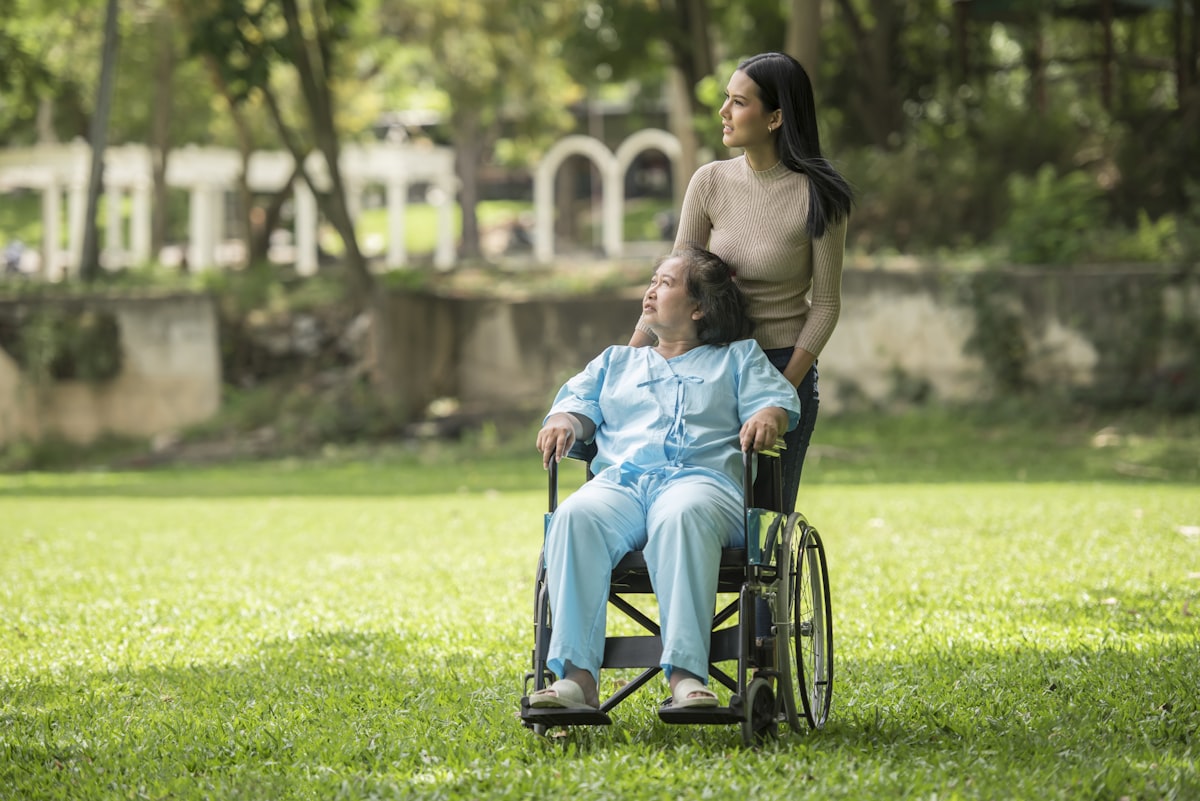
An Asian woman in a wheelchair in a sunlit park, with a younger Asian caretaker standing behind her
Track 4 · Disability Care
04Disability Care

For Adults with a Disability

Some Singapore households include an adult living with a disability, whether physical, sensory, or cognitive. Our disability-care track teaches the patience, technique, and clinical awareness this work asks of a helper.

Trainees practise safe transfers, wheelchair handling, and the use of adaptive equipment. We also teach the language of care: how to listen, how to wait, how to assist without taking over. Every household is different, and we teach a foundation that adapts to each one.

  • Safe transfers, wheelchair handling, and use of mobility aids
  • Bathing, dressing, and personal care while preserving dignity
  • Feeding support for adults with swallowing or motor difficulties
  • Medication routines, therapy schedules, and appointment logs
  • Communication with non-verbal, hearing-impaired, or cognitively-impaired adults
  • Recognising seizures, choking, falls, and other emergencies early
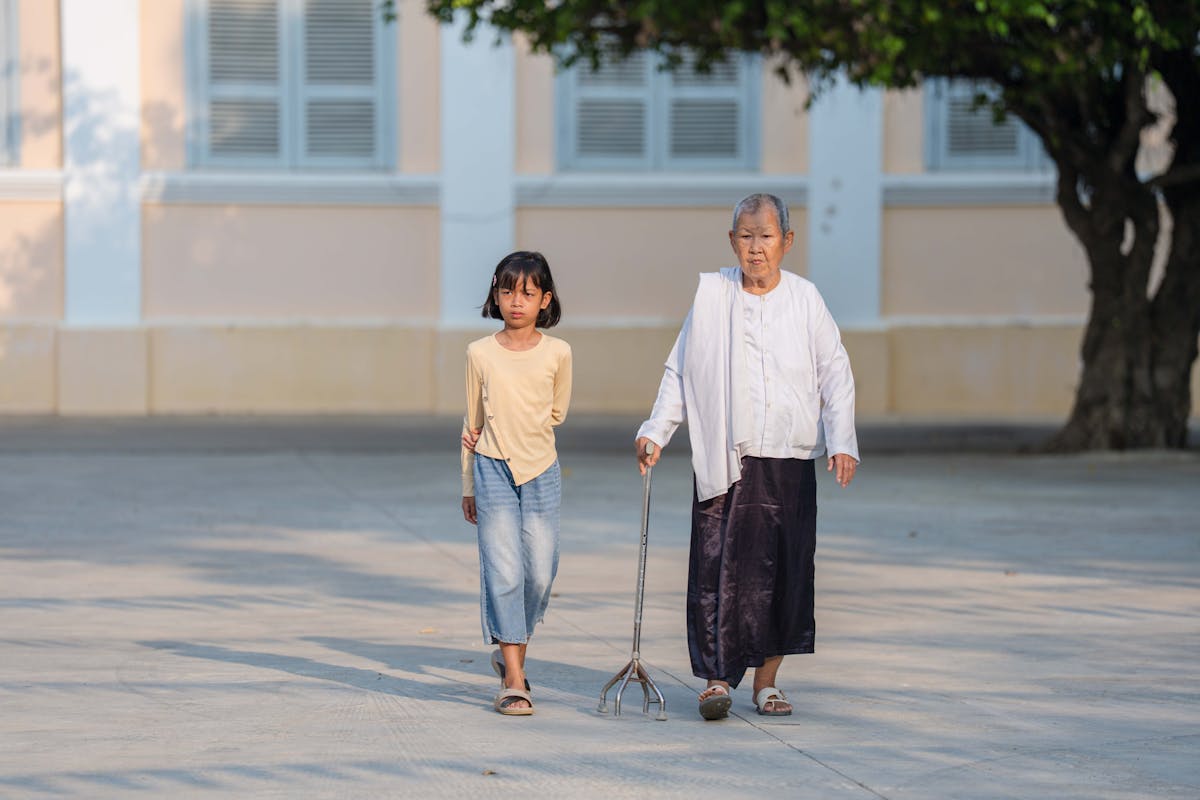
A caretaker walking with an elderly Asian woman in a Singapore garden
Track 5 · Elderly Care
05Elderly Care

For the Elderly

Aging parents in a Singapore household range from independent grandparents who simply want company to those needing daily mobility, hygiene, and medication support. Our elderly-care track teaches the full spectrum.

Hands-on training covers safe transfers (bed to chair, chair to toilet), bathing assistance, medication routines with timing logs, and the dietary differences between a diabetic senior, a stroke recovery, and a healthy elder. We also teach the warning signs, fall risk, sudden confusion, breathing changes, that need a call to the family or a doctor.

  • Mobility support and safe transfer techniques
  • Medication scheduling, dose logs, and reminder routines
  • Soft-food and dietary care for diabetic and post-stroke seniors
  • Bathing, hygiene, and dignity in personal care
  • Companionship: conversation, walks, light exercise
  • Recognising falls, strokes, breathing changes, and confusion early

The steady adult in a busy household

Childcare in Singapore is not a job done in the gaps. It is what holds the gaps together, between the school run and the office, between the night feed and the morning meeting, between a grandparent's appointment and a child's reading hour. We train for that, every week, with every trainee who leaves through our door.